WAICA 2026 Workshop Call for PapersWAICA 2026 专题研讨会征稿
AI Acceleration in Quantum Computing人工智能驱动的量子计算加速
This workshop, scheduled to be held in Shanghai at the end of July, aims to bring together researchers from artificial intelligence, quantum information science, high-performance computing, and engineering to discuss AI-enabled methods for accelerating quantum computing systems. The workshop focuses on the transformative intersection of deep learning, reinforcement learning, and generative models with quantum hardware design, quantum error correction, quantum algorithm optimization, and quantum system simulation, with particular interest in neural quantum control, AI-driven error correction, heterogeneous HPC-quantum hybrid acceleration, hardware-software co-design, and benchmark standardization for AI-quantum computing.本专题研讨会计划于7月底在上海举办,旨在汇聚来自人工智能(AI)、量子信息科学、高性能计算(HPC)以及工程技术等领域的研究人员,共同探讨如何借助 AI 赋能,加速量子计算系统的发展与应用落地。研讨会聚焦深度学习、强化学习、生成式模型等先进 AI 技术与量子计算关键领域的深度交叉,重点涵盖量子硬件设计、量子纠错、量子算法优化和量子系统仿真等方向,并特别关注神经量子控制、AI 驱动的量子纠错、异构 HPC-量子混合加速、软硬件协同设计,以及 AI-量子计算基准测试与标准化等前沿问题。
This workshop will explore how AI can drive practical quantum computing deployment, and provide a forum for researchers from AI, quantum physics, and HPC communities to exchange ideas on recent advances, systems challenges, and future opportunities in this area. For more information, please visit DeepLink website.本次研讨会将探讨人工智能如何推动量子计算的实际部署与应用,打造一个面向 AI、量子物理与高性能计算交叉领域专家的交流平台,围绕该领域中的最新研究突破、系统层面挑战与未来发展机遇展开深入讨论。更多相关内容可访问 DeepLink 官网。
Workshop Aims研讨会目标
- Foster Cross-Disciplinary Synergy: Promote dynamic interaction among AI, quantum information science, and HPC communities.促进跨学科协同创新:推动 AI、量子信息科学与高性能计算社区之间的深度交流与合作。
- Spotlight Cutting-Edge Breakthroughs: Highlight recent advancements in AI-enabled quantum control, error correction, and algorithm optimization.聚焦前沿突破成果:展示 AI 赋能量子控制、量子纠错与量子算法优化等方向的最新进展。
- Bridge Theory and Practice: Encourage research that balances algorithmic innovation with hardware deployment, system reliability, and practical acceleration.打通理论与实践:鼓励兼顾算法创新、硬件部署、系统可靠性与实际加速效果的研究工作。
- Cultivate Focused Dialogue: Provide a dedicated venue to explore novel methods, theoretical foundations, robust infrastructure, and real-world quantum applications.营造专题对话平台:围绕前沿方法、理论基础、基础设施以及量子应用场景开展深入交流。
Call for Papers Topics征稿主题
- Neural quantum control and real-time calibration神经量子控制与实时校准
- AI-driven quantum error correction (CNN/Transformer decoders, neural decoders)AI 驱动的量子纠错(如 CNN/Transformer 解码器、神经网络解码器等)
- Quantum algorithm optimization and compilation (VQE/QAOA, circuit optimization)量子算法优化与编译(如 VQE/QAOA、量子线路优化等)
- HPC-quantum hybrid acceleration (GPU/CPU/QPU orchestration)HPC-量子混合加速(GPU/CPU/QPU 协同调度)
- Generative models for quantum state learning and quantum chemistry面向量子态学习与量子化学的生成式模型
- Hardware-software co-design for quantum computing面向量子计算的软硬件协同设计
- AI for quantum simulation and quantum many-body systems用于量子仿真与量子多体系统研究的 AI 方法
- Benchmarks and standardization for AI-quantum computingAI-量子计算的基准测试与标准化
- Heterogeneous computing infrastructure for quantum workloads面向量子工作负载的异构计算基础设施
- The intersection application of quantum computing and agentic AI量子计算与 AI 智能体的结合应用
Submission and Review投稿与评审
Submissions should be made through the official WAICA submission system. The workshop will use the official conference platform and follow the relevant WAICA review and submission policies. Authors should prepare anonymous manuscripts where required and ensure compliance with applicable conference rules on ethics, conflict of interest, and preprints.所有投稿均须通过 WAICA 官方投稿系统提交。本研讨会将严格遵循 WAICA 2026 的投稿与评审政策。作者须根据要求准备匿名稿件,并全面遵守会议关于科研伦理、利益冲突和预印本的相关规定。
Submitted papers should be written in English and provided in PDF format. Manuscripts should be self-contained, clearly readable in black-and-white printing, and follow the official WAICA template and formatting requirements. Please note that the current WAICA Author Guidelines specify a strict maximum length of 10 pages in a single-column format (including all figures, and references). Supplementary materials provided via external links are not permitted.投稿论文须为英文撰写,按照 WAICA 官方模板并以 PDF 格式提交。稿件内容须完整自洽,并确保在黑白打印下清晰可读。另外,论文正文篇幅不得超过单栏 10 页(包括图表和参考文献),且不允许通过外部链接提供补充材料。
Workshop Format研讨会形式
The workshop is planned as a half-day event during the conference period. The programme is expected to include 4 invited talks and 1 panel discussion.研讨会计划于 WAICA 2026 期间以半天专题活动形式举办,议程预计包括 4 场特邀报告和 1 场专题圆桌讨论。
Important Dates重要日期
- Paper Submission Deadline: 30 May 2026论文提交截止:2026年5月30日
- Paper Acceptance Notification: 30 Jun 2026录用通知:2026年6月30日
- Camera-Ready Submission: 15 Jul 2026终稿提交:2026年7月15日
Please refer to the official WAICA website for any schedule updates.日程如有更新请以 WAICA 官方网站为准。
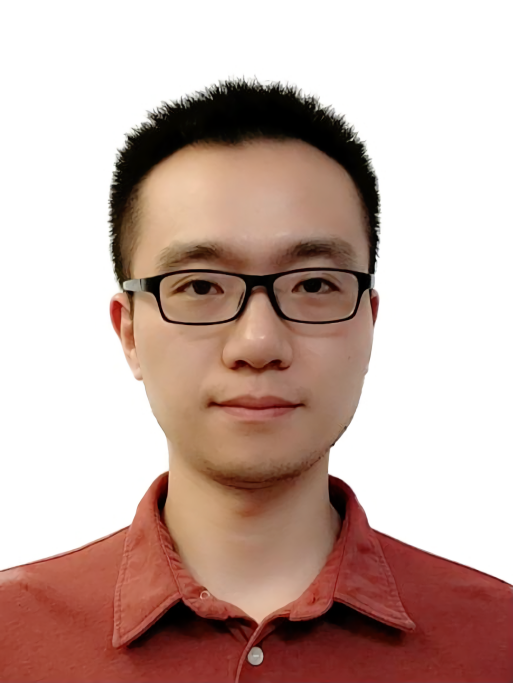
Young Scientist at Shanghai AI Laboratory, leads the System Platform Center and specializes in cross-domain computing, full-stack performance evaluation, and hardware/software co-design. 王辉
上海人工智能实验室青年科学家,系统平台中心负责人,主攻跨域计算、全栈芯片评测、软硬协同加速中间层等方向。
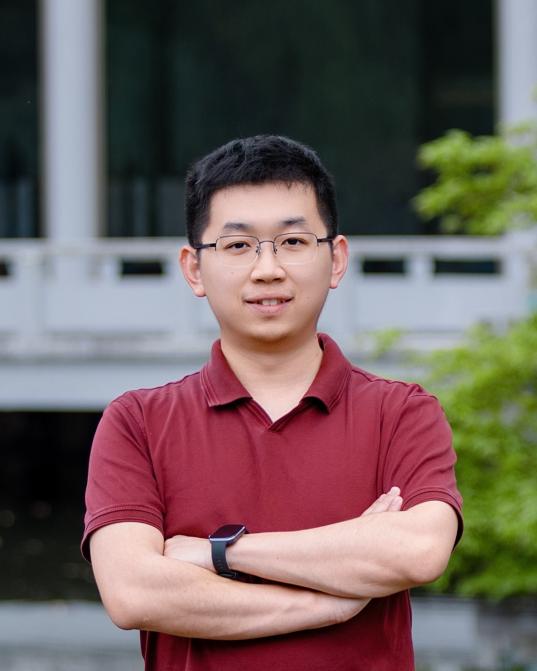
The board director and CTO of Taiyi Quantum Science & Technology Co. Ltd. He was the Principal Architect of Microsoft Quantum. 刘弘斌
目前担任太一量生(上海)量子科技有限公司董事长、CTO。曾任微软量子首席架构师。
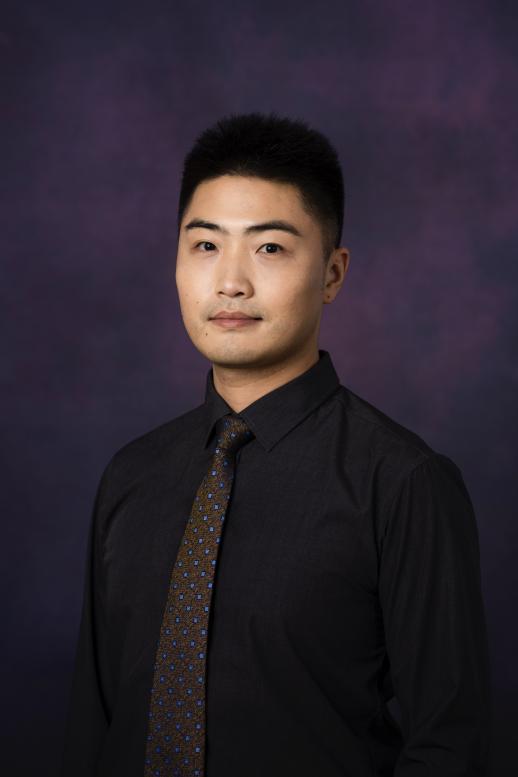
The CEO of Taiyi Quantum Science & Technology Co. Ltd. He led the investment in China's first photonic quantum computing company. 方正浩
目前担任太一量生(上海)量子科技有限公司CEO。曾主导投资中国首家光量子计算公司。
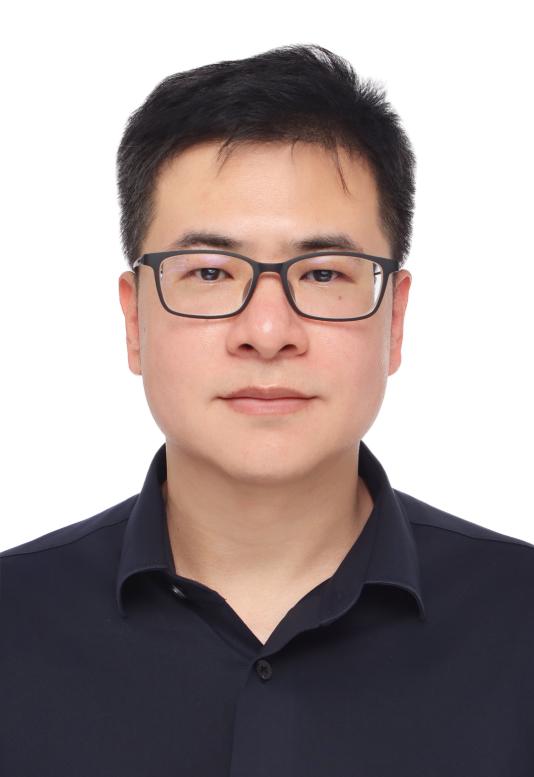
Senior Engineer at Shanghai AI Laboratory, specializes in high-performance intelligent computing systems, simulation platform architecture, and hardware-software co-acceleration. 李恒杰
上海人工智能实验室高级工程师,主攻高效能智算系统、仿真平台系统架构、软硬协同加速等方向。
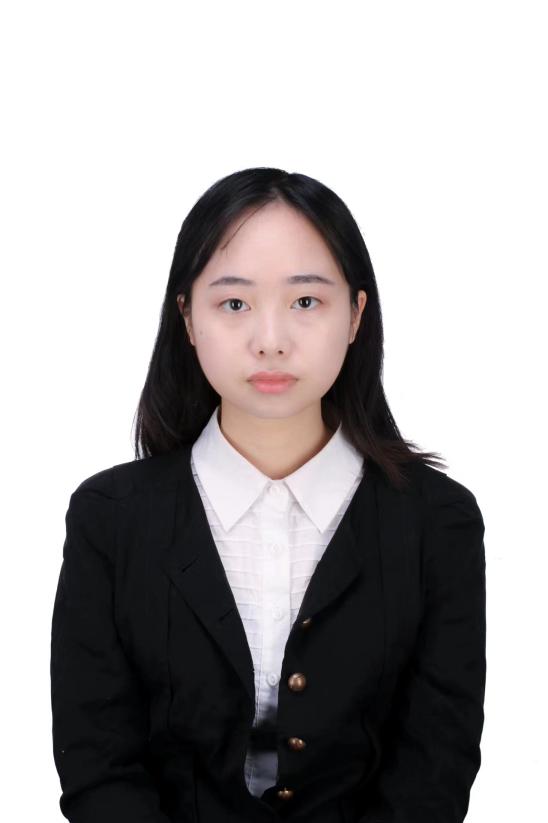
Researcher at Shanghai AI Laboratory, engineered a large-scale tensor network contraction framework enabling efficient classical simulation of 53-qubit random circuits. 付蓉
上海人工智能实验室青年研究员,开发大规模张量网络千卡并行收缩框架,实现了 53 量子比特随机电路的高效经典模拟。
Contact联系方式
For workshop-related enquiries, please contact:
Rong Fu, Shanghai AI Laboratory
Email: furong@pjlab.org.cn
Yue Yu, Shanghai AI Laboratory
Email: yuyue@pjlab.org.cn研讨会相关咨询请联系:
付蓉,上海人工智能实验室
邮箱:furong@pjlab.org.cn
余玥,上海人工智能实验室
邮箱:yuyue@pjlab.org.cn