WAICA 2026 Workshop Call for PapersWAICA 2026 专题研讨会征稿
AI for Mathematical Modelling and Scientific Computing数学建模与科学计算中的人工智能
This workshop will be held as part of WAICA 2026 in Shanghai, China. It brings together researchers from artificial intelligence, applied mathematics, scientific computing, and engineering to discuss mathematically grounded AI methods for modelling, simulation, and discovery. The workshop focuses on AI-enabled methods for partial differential equations and related systems, with particular interest in physics-informed neural networks, neural operators, reduced-order modelling, surrogate modelling, hybrid data-physics methods, and data-driven discovery.本专题研讨会将作为 WAICA 2026 的一部分在中国上海举办,汇聚人工智能、应用数学、科学计算与工程领域的研究者,讨论以数学为基础的建模、仿真与发现类 AI 方法。研讨会关注偏微分方程及相关系统的 AI 方法,尤其包括物理信息神经网络、神经算子、降阶建模、代理模型、数据—物理混合方法以及数据驱动发现等方向。
The workshop aims to explore how modern AI methods can advance mathematical modelling, scientific computing, and mathematically grounded data-driven discovery, and to provide a forum for researchers from AI, mathematics, and engineering to exchange ideas on recent advances, mathematical challenges, and future opportunities in this area.研讨会旨在探讨现代 AI 方法如何推动数学建模、科学计算与具有数学基础的数据驱动发现,并为 AI、数学与工程领域的研究者提供交流平台,讨论最新进展、数学挑战与未来机遇。
Workshop Aims研讨会目标
- Promote interaction between AI, applied mathematics, and scientific computing communities.促进人工智能、应用数学与科学计算等社区之间的交流。
- Highlight recent progress in AI-enabled modelling, simulation, and scientific discovery for PDEs and related systems.展示面向偏微分方程及相关系统的 AI 建模、仿真与科学发现方面的最新进展。
- Encourage work that balances algorithmic innovation with mathematical reliability, interpretability, and scientific relevance.鼓励在算法创新的同时兼顾数学可靠性、可解释性与科学相关性。
- Provide a focused venue for discussion of methods, theory, computation, and real-world applications.为方法、理论、计算与真实应用讨论提供聚焦场所。
Call for Papers Topics征稿主题
- Physics-informed neural networks (PINNs)物理信息神经网络(PINNs)
- Neural operators and operator learning神经算子与算子学习
- Reduced-order modelling and model reduction降阶建模与模型降阶
- Surrogate modelling for scientific and engineering systems科学与工程系统的代理建模
- Hybrid data-driven and physics-based methods数据驱动与基于物理的混合方法
- AI for PDEs and dynamical systems面向偏微分方程与动力系统的 AI
- Scientific machine learning for mathematical modelling用于数学建模的科学机器学习
- Mathematical foundations of AI for Science科学人工智能的数学基础
- Reliable, interpretable, and trustworthy AI methods for scientific computing面向科学计算的可靠、可解释与可信 AI 方法
- Data-driven discovery of governing equations控制方程的数据驱动发现
- AI-enabled numerical methods and computational mathematicsAI 赋能的数值方法与计算数学
Submission and Review投稿与评审
Submissions should be made through the official WAICA submission system. The workshop will use the official conference platform and follow the relevant WAICA review and submission policies. Authors should prepare anonymous manuscripts where required and ensure compliance with applicable conference rules on ethics, conflict of interest, and preprints.投稿应通过 WAICA 官方投稿系统提交。本研讨会将使用大会官方平台,并遵循 WAICA 相关审稿与投稿政策。作者需按要求准备匿名稿件,并遵守会议关于伦理、利益冲突与预印本等的相关规定。
Submitted papers should be written in English and provided in PDF format. Manuscripts should be self-contained, clearly readable in black-and-white printing, and follow the official WAICA template and formatting requirements. The length of workshop paper is suggested 8–10 pages (single column) and does not permit supplementary material through external links.论文须为英文撰写并以 PDF 提交。稿件应自成体系、黑白打印可读,并遵循 WAICA 官方模板与格式要求。研讨会论文建议篇幅为单栏 8–10 页,且不允许通过外部链接提交补充材料。
Workshop Format研讨会形式
The workshop is planned as a half-day event during the conference period. The programme is expected to include 3 invited talks, 10 contributed talks, and 1 panel discussion.研讨会计划在会议期间以半天形式举办,程序预计包括 3 场邀请报告、10 场口头报告与 1 场专题讨论。
Important Dates重要日期
- Paper Submission Deadline: 7 Jul 2026论文提交截止:2026年7月7日
- Paper Acceptance Notification: 10 Jul 2026录用通知:2026年7月10日
Please refer to the official WAICA website for any schedule updates.日程如有更新请以 WAICA 官方网站为准。
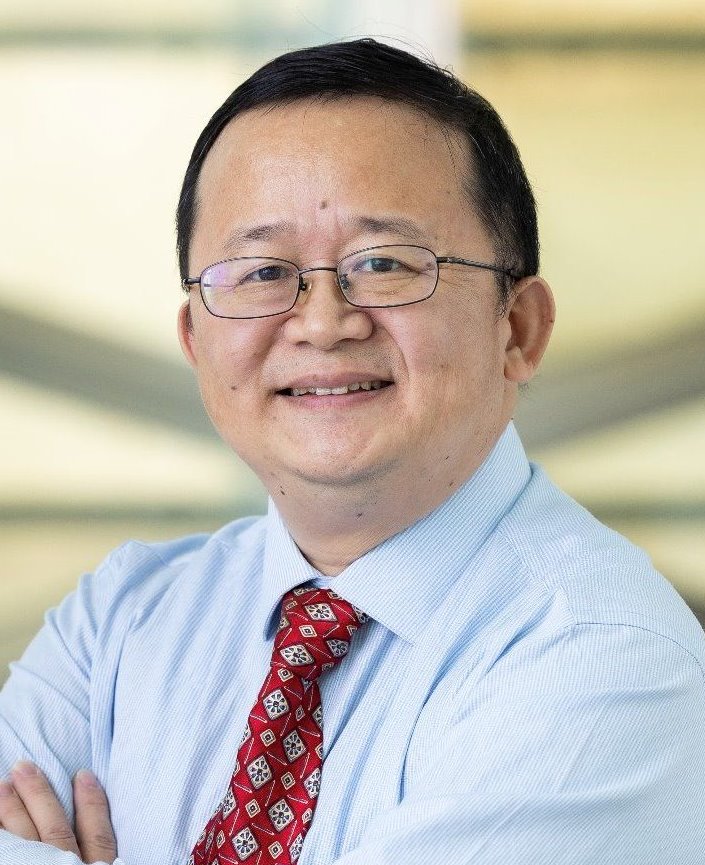
Tongji University, Professor
Research interests include computational mathematics, finite element algorithms and analysis, mathematical principles of AI, data-driven modelling, AI-based model reduction, and numerical simulation in porous media and multiphase flow. 孙舒宇
同济大学,教授
研究方向包括计算数学、有限元算法与分析、人工智能数学原理、数据驱动建模、基于 AI 的模型降阶以及多孔介质与多相流数值模拟等。
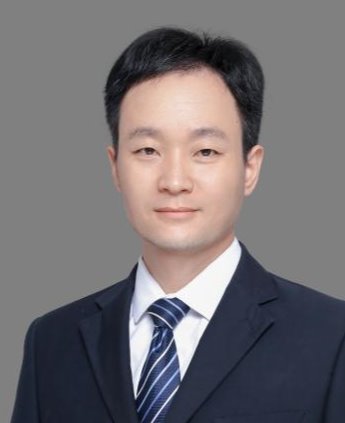
Tongji University, Professor
Research interests include computational mathematics, big data analysis, model reduction, data assimilation, and AI for engineering. 肖敦辉
同济大学,教授
研究方向包括计算数学、大数据分析、模型降阶、数据同化以及工程领域人工智能等。
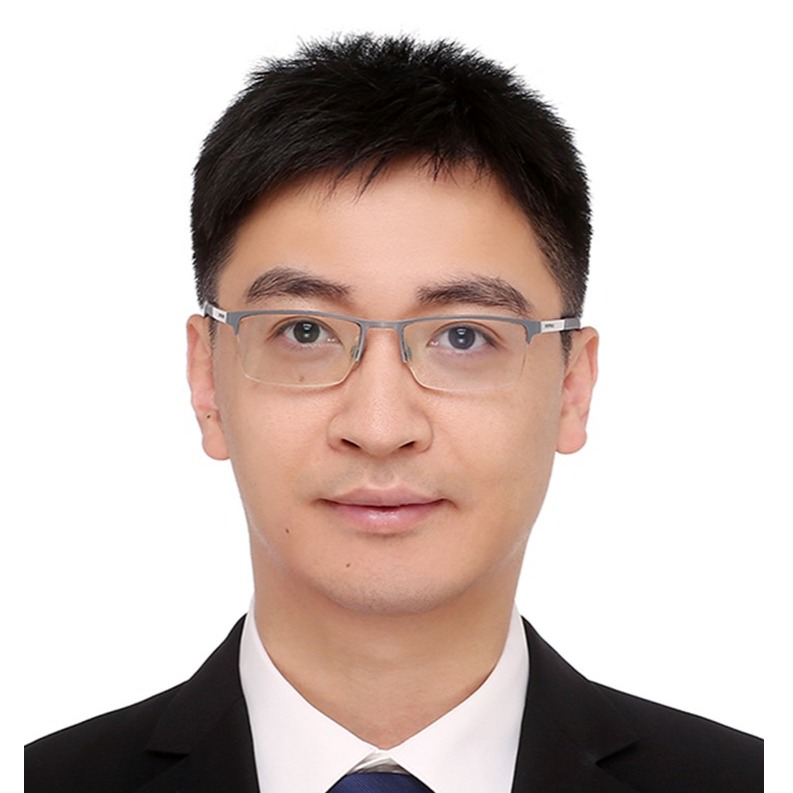
Tsinghua University, Assistant Professor
Research interests include scientific computing and machine learning, neural network theory and algorithms, and numerical methods for partial differential equations. 何俊才
清华大学,助理教授
研究方向包括科学计算与机器学习、神经网络理论与算法以及偏微分方程数值方法等。
Heriot-Watt University, Professor
Research interests include AI for fluid control, predictive modelling, generative modelling, data assimilation, nonlinear filtering, and Bayesian uncertainty quantification. Ahmed H. Elsheikh
赫瑞瓦特大学,教授
研究方向包括流体控制 AI、预测建模、生成建模、数据同化、非线性滤波与贝叶斯不确定性量化等。
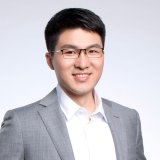
University of Manchester, Associate Professor
Research interests include machine learning, robotics, Bayesian machine learning, robot control, and dynamic control. 潘伟
曼彻斯特大学,副教授
研究方向包括机器学习、机器人学、贝叶斯机器学习、机器人控制与动态控制等。
Contact联系方式
For workshop-related enquiries, please contact:
Shuyu Sun, Tongji University
Email: suns@tongji.edu.cn
Dunhui Xiao, Tongji University
Email: xiaodunhui@tongji.edu.cn研讨会相关咨询请联系:
孙舒宇,同济大学
邮箱:suns@tongji.edu.cn
肖敦辉,同济大学
邮箱:xiaodunhui@tongji.edu.cn